Licensed & Insured, Servicing Orange, Los Angeles & Riverside County (714)379-9591
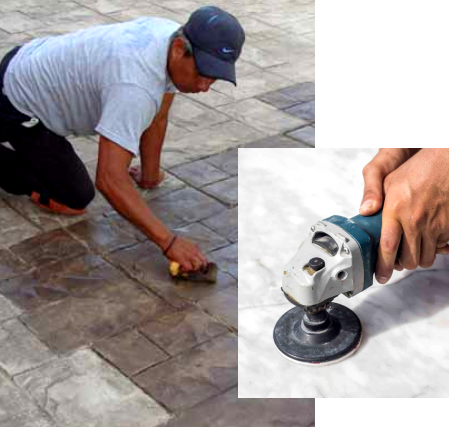
Stone restoration

Stone Restoration

The gradual dulling of stone surfaces is an inevitability, brought about by the relentless march of time, foot traffic, spills, and the daily rigors of use. No matter the meticulous care invested in preserving these surfaces, the inexorable reality is the eventual loss of their innate luster. Enter the transformative realm of stone polishing with Marble Specialist – a meticulous process not only capable of restoring the gleam to your stone surfaces but also offering the versatility to redefine their level of glossiness, resulting in an entirely revitalized aesthetic.

Our stone restoration service in Anaheim extends beyond the confines of interiors; we can even bestow our polishing prowess upon your outdoor stone surfaces, including patios and walkways, ensuring a seamless and polished continuum across your entire property.

When to call Marble Specialist

Dull or Lackluster Surfaces

Everyday cleaning no longer restores the beauty of your stone surfaces.

Inconsistent Sheen

High-traffic areas showcase dulling or fading, disrupting the uniform sheen.

Minor Scratches and Etchings

Unwanted blemishes mar the surface, demanding expert attention.

Desire to Change Gloss Levels

Whether transitioning from matte to glossy or vice versa, stone polishing is the key.
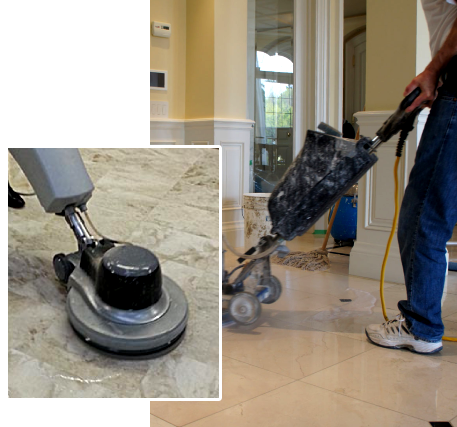
Our signature of Stone Restoration: Grinding Process: Grinding:

Grinding is a key step in the stone restoration process, particularly when dealing with uneven surfaces, deep scratches, or stubborn stains. Our professional technicians will choose the best suited abrasive diamond pads or honing padsneeded to remove stains and scratches along with and state or the art machines to level the surface of the stone, removing imperfections and irregularities.
Coarse grinding is initially applied to address significant damage, followed by finer grinding to achieve a smoother, more even surface. This step prepares the stone for subsequent polishing, creating a foundation for the enhancement of its natural beauty.

Grinding - Leveling the Canvas

Assessment

Our skilled technicians conduct a detailed assessment to identify imperfections and uneven surfaces.

Coarse Grinding

For significant damage, coarse grinding is applied to level the surface, removing scratches, deep stains, and irregularities.

Fine Grinding

Finer grinding follows, creating a smooth foundation for the subsequent polishing stage.
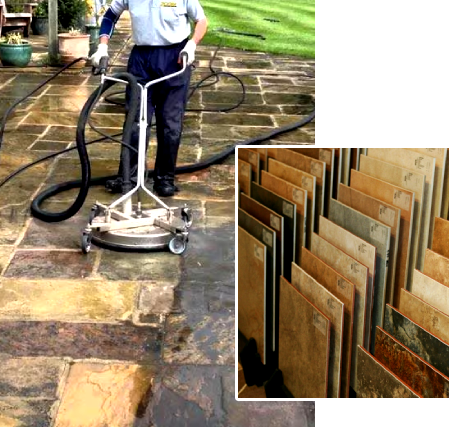
Grout Cleaning

Grout is porous, making it susceptible to staining. Liquid spills, oils, and other substances can penetrate the grout, leading to discoloration. Cleaning helps remove existing stains and prevents further discoloration, keeping the grout lines looking fresh.

Apply the Ph Cleaner to Grout Lines

Using a grout cleaning brush, our technician will apply cleaner directly onto the grout lines. Ensuring that the cleaner covers the entire grout surface.

Scrub the Grout

Scrubbing the grout lines vigorously with the brush. Focusing on stains or discolored areas. Use a back-and-forth or circular motion to effectively remove dirt and grime. Rinse the brush frequently.

Rinse and Wipe Down

After scrubbing, we rinse the grout lines with warm water and our state of the are machines. Ensuring that the area is thoroughly rinsed to prevent residue build-up.

Polishing

Polishing is the artful process of refining the surface of natural stone to achieve a smooth, glossy, and reflective finish. It follows grinding in the stone restoration journey. Polishing involves the use of progressively finer abrasive materials and compounds, or buffing pads combined with specialized state of the are machinery, to gently bring back the color and brightness of the stone. This reveals a brilliant and lustrous surface that showcases the unique characteristics of the stone.

Polishing can be tailored to achieve different levels of sheen, from a matte finish to a high-gloss shine, depending on the client’s preferences and the intended use of the stone surface.

Matte Polish Finish: For a natural, unvarnished appearance, ideal for walls, staircases, and areas desiring a lower sheen.
Semi-Gloss Polish Finish: Strikes a balance, allowing natural beauty to shine through while providing moderate sheen. Perfect for floors, countertops, and areas requiring a harmonious allure.
Gloss Polish Finish: The epitome of sheen, offering maximum protection against staining and wear. Popular for hard stone surfaces like marble, it graces floors and countertops with a high-polished allure.

Sealing

Sealing is a crucial step in the stone restoration process, serving as a protective shield against stains, moisture, and other environmental factors. After the stone has been cleaned, repaired, ground, and polished, a high-quality sealant is applied to create an impermeable barrier on the surface. This barrier prevents liquids and contaminants from penetrating the stone, reducing the risk of stains and deterioration. The choice of sealant depends on the type of stone and its intended use. Proper sealing not only enhances the stone’s durability but also preserves its newly restored appearance for an extended period.

Stain Prevention

Oil and Water-Based Stains: Natural stones, especially porous ones like marble and granite, are susceptible to stains from substances like oils, water, and various liquids. Sealing creates a protective barrier, preventing these substances from penetrating the stone and causing permanent stains.
Moisture Protection-Water Damage: Natural stones can absorb moisture, leading to issues like efflorescence, discoloration, and even structural damage. Sealing prevents water absorption, safeguarding the stone from internal damage caused by moisture penetration.
Enhanced Durability-Wear and Tear: High-traffic areas or surfaces that endure daily use are prone to wear and tear. Sealing strengthens the stone’s surface, making it more resistant to abrasion, scratches, and other forms of physical damage.
Mold and Mildew Prevention-Humid Environments: In damp or humid conditions, natural stone can become a breeding ground for mold and mildew. Sealing inhibits the growth of these microorganisms by denying them the necessary conditions for development.
In summary, natural stone restoration is a proactive measure to address wear, damage, and environmental impacts, preserving the timeless beauty and functionality of these surfaces. It not only revitalizes the stone but also safeguards it against future challenges, ensuring a lasting and impressive presence in any space.

Frequently Asked Questions

Professional stone restoration is a specialized service that repairs, cleans, polishes, and protects natural stone surfaces to bring them back to their original beauty and durability. Over time, stone such as marble, granite, travertine, and limestone can become dull, scratched, stained, etched, or cracked. Stone restoration uses professional equipment and techniques such as deep cleaning, honing, polishing, and sealing to remove damage and restore a smooth, reflective, and protected surface. The goal is not just to make the stone look better, but to extend its lifespan and protect it from future wear.

You need professional stone restoration when your stone surfaces start to lose their shine or show visible damage. Common signs include dullness, scratches, etch marks from acids, stains, uneven surfaces, cracks, or chipped edges. High-traffic areas such as kitchens, bathrooms, lobbies, and commercial floors often need restoration sooner due to constant use. If regular cleaning no longer improves the appearance of your stone, professional restoration is the safest and most effective way to bring it back to life without replacing it.

The stone restoration process is customized to each stone marble, granite, travertine, limestone, terrazzo, onyx, and quarzite but usually follows these steps:

  1. Deep cleaning to remove dirt, wax buildup, and contaminants

  2. Grinding or honing to eliminate scratches, stains, and etching

  3. Crack, chip, and hole repair using professional stone fillers

  4. Polishing to restore clarity, smoothness, and shine

  5. Sealing to protect against moisture and staining

  6. Final detailing and protection for long-term durability

This process safely restores the stone’s natural appearance while improving slip resistance, cleanliness, and longevity.

Maintaining natural stone after professional restoration is simple but important. Use a pH-neutral stone cleaner for regular cleaning and avoid acidic or abrasive products that can damage the surface. Wipe spills immediately, place mats in high-traffic areas, dust-mop floors weekly, and reseal the stone as recommended to protect it from moisture and stains. For best results, a professional inspection and maintenance service once a year helps preserve the finish and prevent costly damage.

Most natural stone surfaces can be professionally restored and polished. This includes marble, granite, travertine, limestone, terrazzo, onyx, quartzite, slate, soapstone, and flagstone. Whether the stone is installed on floors, countertops, showers, walls, or commercial spaces, professional stone restoration can remove damage, improve appearance, and extend the life of the surface.

Stone cleaning focuses on removing surface dirt, dust, and light buildup. Stone restoration goes much deeper. Restoration repairs physical damage such as scratches, etching, stains, cracks, and dullness. It involves honing, polishing, and sealing the stone to truly renew it. While cleaning improves appearance temporarily, restoration corrects the underlying damage and restores the stone to a like-new condition.

Many types of natural stone can be polished to restore their shine and smoothness. These include marble, granite, limestone, travertine, terrazzo, sandstone, onyx, quartzite, and some engineered stones. Professional polishing removes microscopic scratches and dullness, revealing the stone’s natural color, clarity, and reflective finish.