Licensed & Insured, Servicing Orange, Los Angeles & Riverside County (714)379-9591
Many homeowners believe natural stone floors and surfaces are nearly indestructible. Marble, granite, and limestone look solid, feel strong underfoot, and add undeniable beauty to any space. But the truth often comes as a surprise: natural stone stains more easily than most people expect.
All it takes is one missed spill. A splash of coffee, a drip of oil, or a glass of wine left too long can turn into a stubborn stain. While natural stone is durable, it still reacts when liquids sit on the surface. What looks harmless today can become permanent discoloration or etching tomorrow.
Stone professionals repeat this often: natural stone is porous. Tiny openings beneath the surface allow liquids to absorb instead of staying on top. Without proper protection, everyday use slowly changes the color, finish, and durability of stone surfaces.
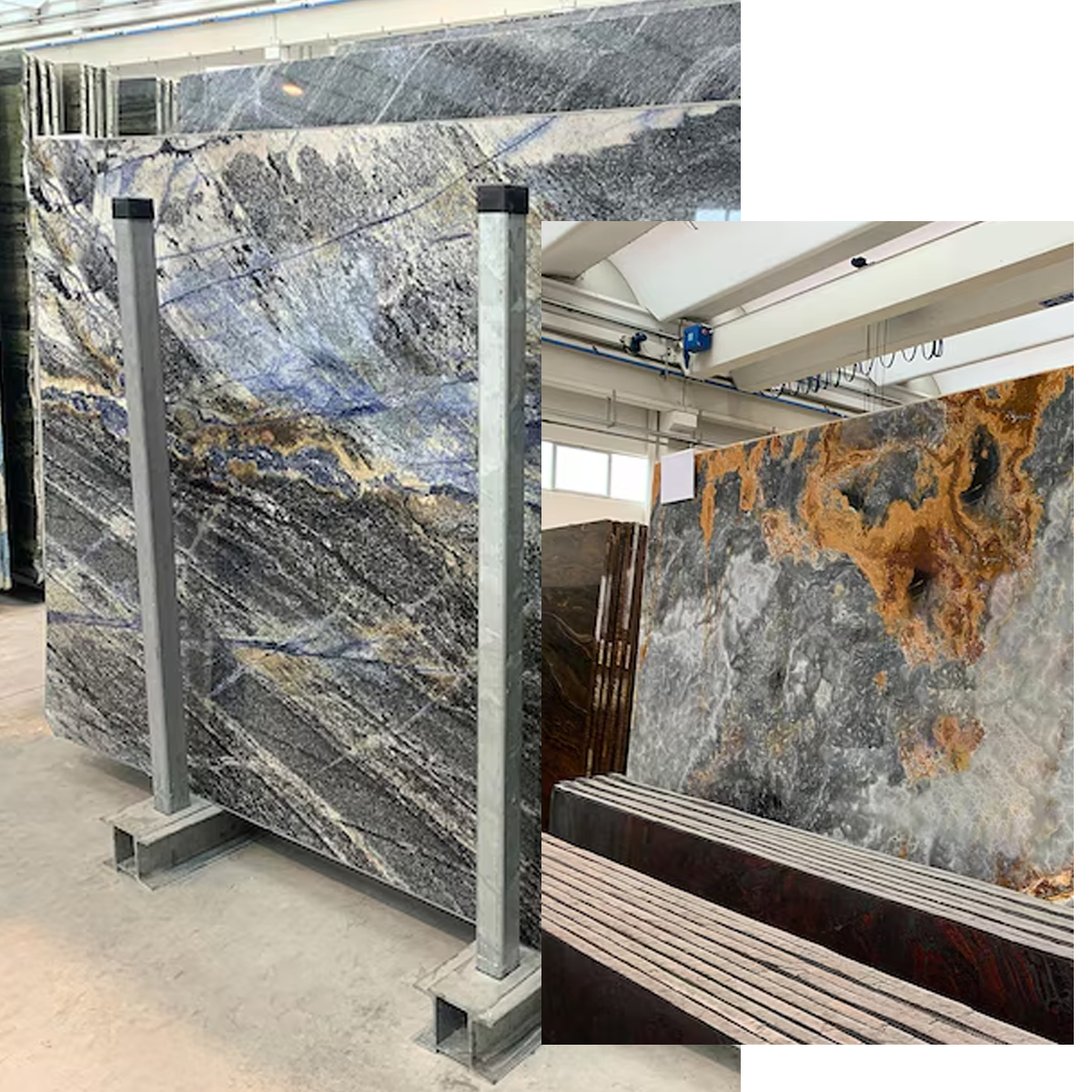
Even when stone appears smooth and polished, its surface contains microscopic pores. Once the protective sealer wears down, spills can seep beneath the surface almost immediately.
Marble and limestone, being softer stones, are especially vulnerable to staining. Granite is denser, but still absorbs oils and acidic substances over time. Citrus, vinegar, wine, and oils don’t just stain — they can also etch the surface, dulling its shine and weakening its finish.
Stains often appear gradually, spreading below the surface before they’re noticed, which makes removal more difficult later on
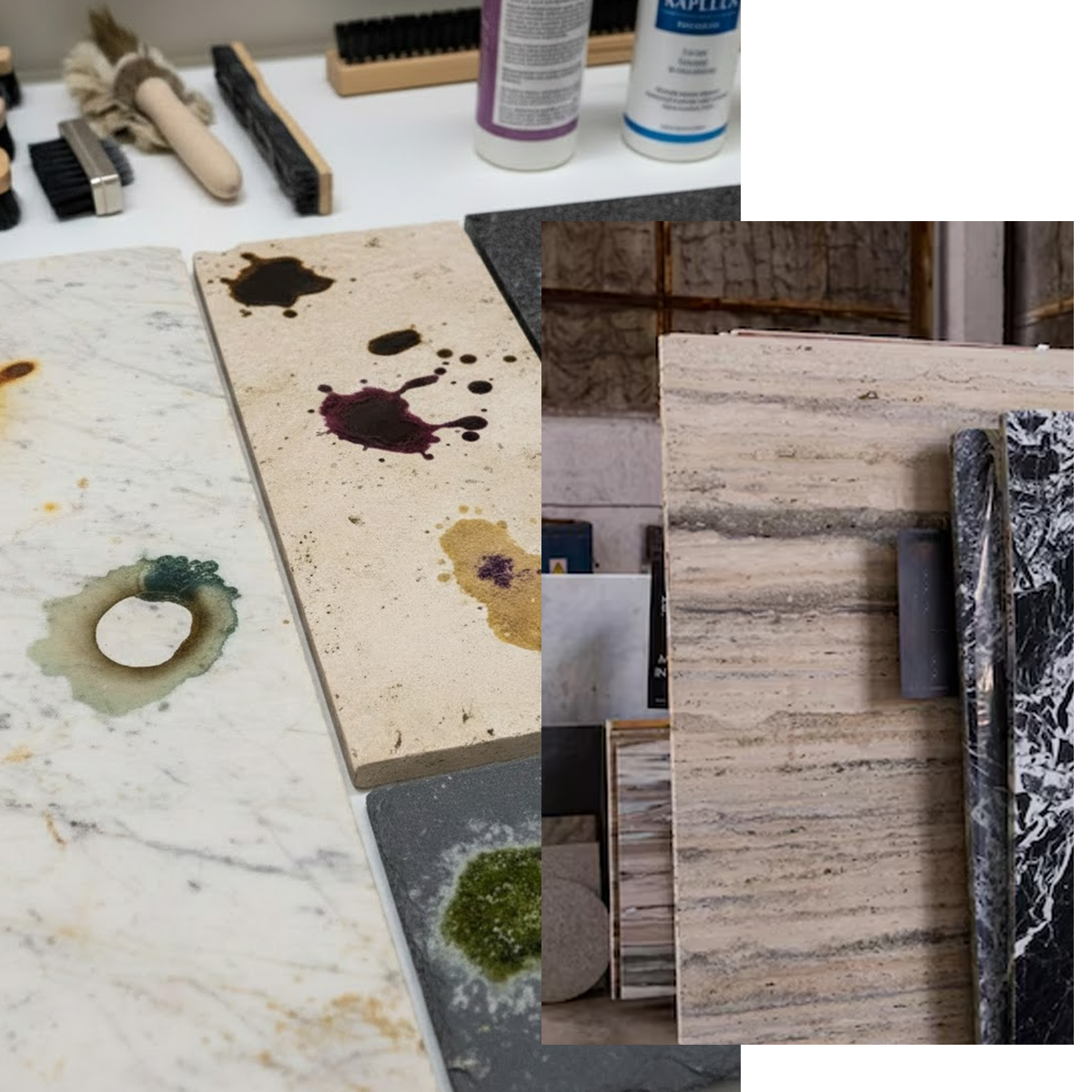
Most stains come from everyday habits homeowners don’t think twice about. Kitchens are especially high-risk areas, where common culprits include: coffee spills, cooking oils & greasy pans, red wine & fruit juices.
Outdoor stone surfaces face their own challenges. Rainwater carries dirt deep into stone pores. Leaves and plant debris decay, releasing organic stains. Metal patio furniture can leave rust marks, while moisture buildup encourages mildew or algae growth.
Another major cause? Improper cleaning. Harsh or acidic cleaners can strip sealers, leaving stone exposed. Once that protective barrier is gone, stains form faster and penetrate deeper.
Not all stains behave the same way, and knowing the cause is key to proper treatment.
Organic stains (food, drinks, plants) often appear brown, yellow, or green. Oil-based stains (grease, cosmetics, lotions) create dark patches that spread. Rust stains form from metal objects left on stone. Biological growth like mold or algae appears in damp, low-airflow areas
Each type requires a specific approach. A greasy stain won’t respond the same way as a rust mark, and treating them incorrectly often makes the damage worse.
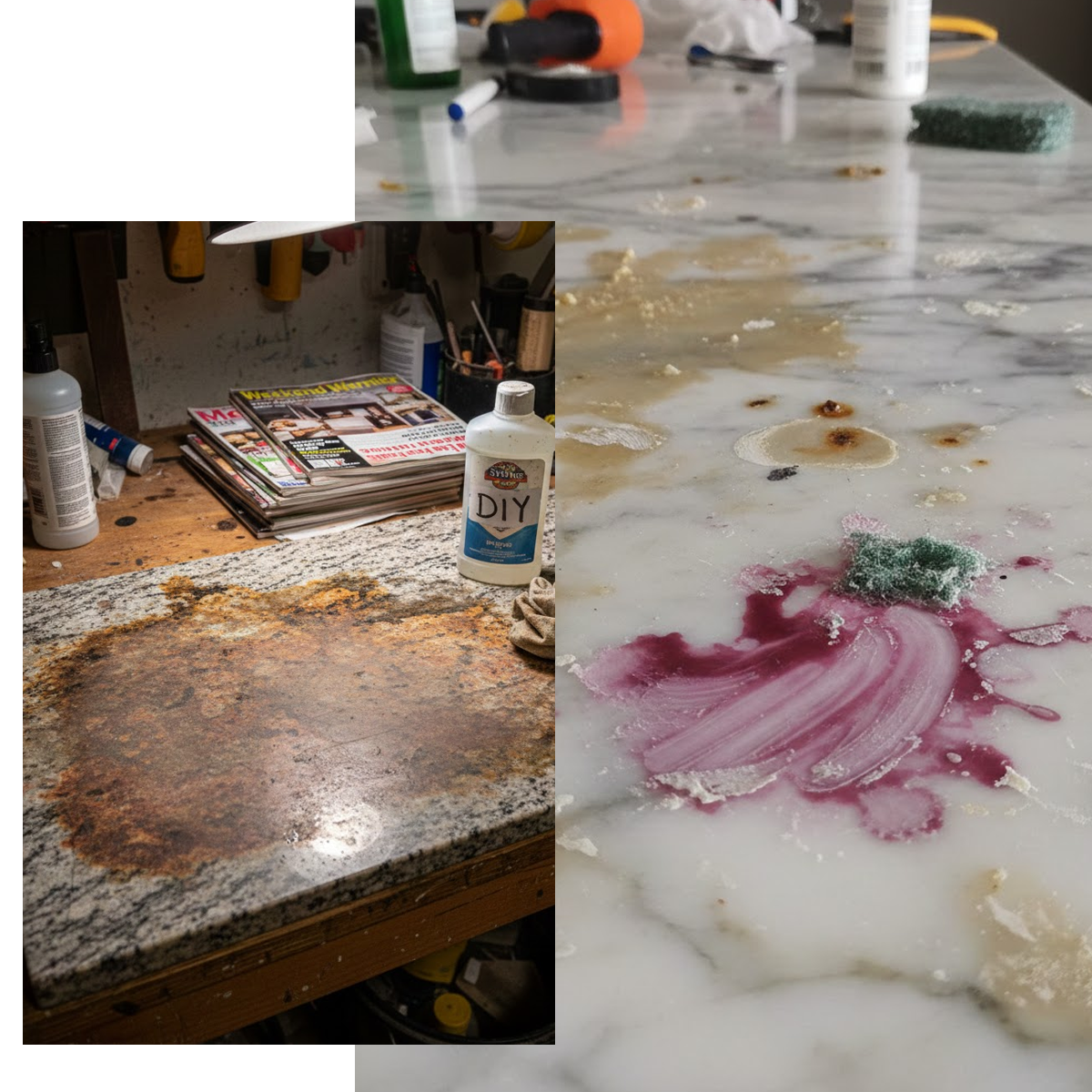
When stains appear, many homeowners reach for whatever cleaner is nearby — or try internet “stone hacks.” Unfortunately, this usually causes more harm than good.
Abrasive scrubbing can scratch the surface. Acidic cleaners can permanently etch the stone. Instead of lifting the stain, these methods often push it deeper while dulling the finish.
What could have been a minor issue quickly becomes a restoration job. Knowing when not to DIY is sometimes the smartest move you can make.
Prevention is always easier — and far less expensive — than repair. A high-quality stone sealer acts as a protective barrier, giving you time to wipe spills before they absorb.
To protect your stone: clean regularly using pH-neutral stone cleaners. Wipe spills immediately. Avoid harsh or acidic products. Monitor how the surface reacts to water. Reseal when protection begins to fade. Consistent care preserves both appearance and longevity.
Understanding what damages stone helps prevent costly mistakes. From deep cleaning and sealing to full restoration, we focus on preserving what you value most.
If stains have appeared or your stone has lost its shine, we’re here to help. Proper care today keeps your stone looking beautiful tomorrow — and for years to come.
Natural stone can truly last for generations when properly maintained. Our team Marble Specialist fixes worn surfaces quietly, and efficiently. Learning what harms stone helps avoid messes before they start. Pulling dirt out, locking in shine – each step keeps things fresh while guarding what you value.